
Starting from the Wrong End
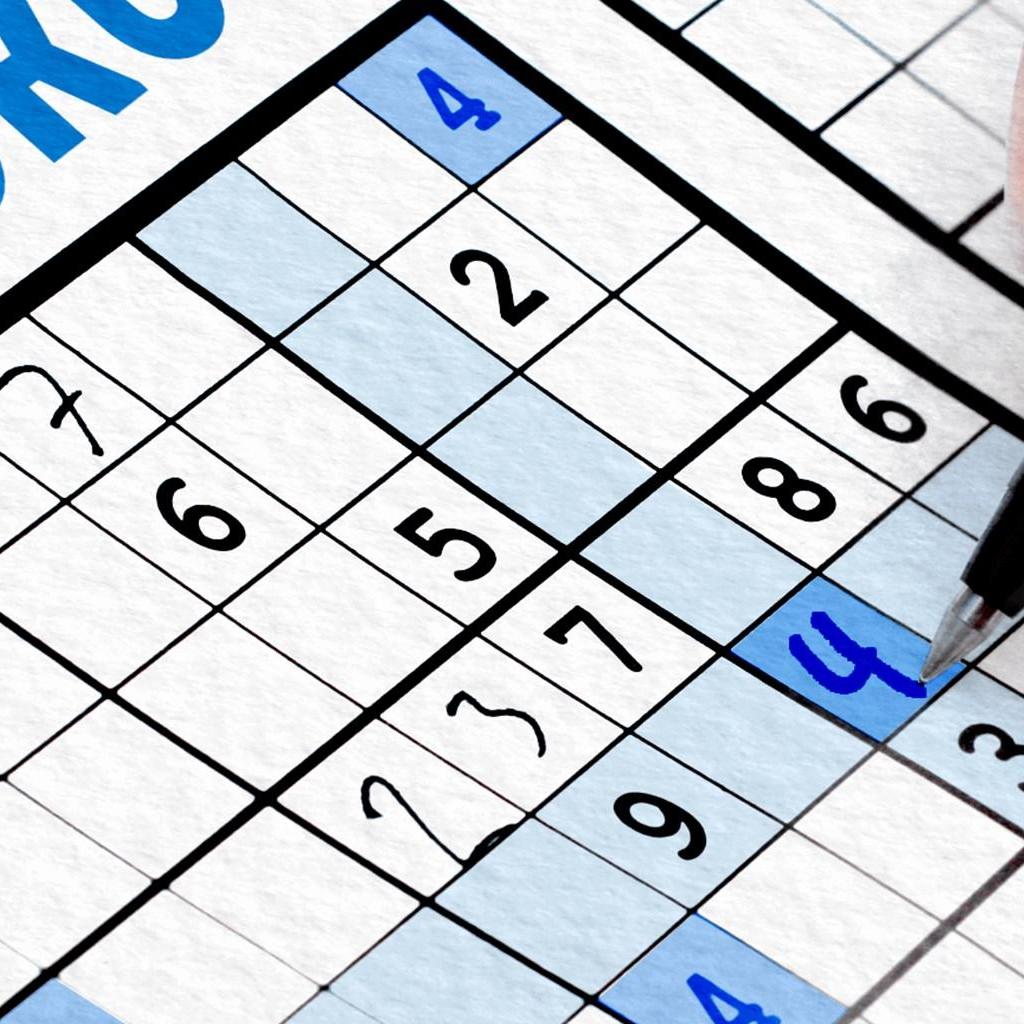
Most of the time, I solve Sudoku the same way.
Start with the easy numbers. Fill in the obvious spots. Slowly build momentum until the puzzle opens up.
It’s predictable, comfortable, and usually works.
But one day, without really planning it, I did the opposite.
A Strange Beginning
I opened a puzzle that looked… annoying.
Not super hard, but just awkward. The usual starting points weren’t clear. The easy numbers weren’t jumping out at me like they normally do.
So instead of forcing it, I did something different.
I looked at the most empty section first.
Not the easiest one. Not the one with the most clues.
The hardest-looking part of the grid.
Why I Even Tried That
Honestly, I don’t know why I did it.
Maybe I was bored of my usual approach. Maybe I just didn’t feel like following the same routine again.
Or maybe I just thought, “Let’s see what happens.”
Either way, I focused on that messy section and started there.
Slower… But More Focused
At first, it felt uncomfortable.
Normally, I rely on quick wins to build confidence early in the puzzle. But this time, there were no easy moves. Every number required actual thinking.
I had to slow down.
A lot.
But something interesting happened.
Seeing the Puzzle Differently
Because I started with the hardest part, I paid more attention.
I wasn’t rushing. I wasn’t skipping around. I was fully focused on one section, trying to understand how everything connected.
And slowly, I began to see patterns I might have missed otherwise.
Not obvious ones—but deeper ones.
One Number Changes Everything
After a few minutes, I placed a number.
Just one.
But that one number unlocked something. It gave context to the surrounding rows and columns. It made other possibilities clearer.
Then another number followed.
And another.
It was slow progress—but it felt solid.
Building from the Middle
Instead of working from the edges inward, I was building from the middle out.
And surprisingly, it worked.
Once that difficult section started making sense, the rest of the puzzle felt easier. The “easy” parts that confused me earlier now looked obvious.
It was like solving the hardest part first made everything else simpler.
A Different Kind of Flow
The whole experience felt different from my usual games.
Less momentum at the start, but more clarity later.
Instead of speeding up and then getting stuck, I started slow and gradually gained confidence.
It was almost the reverse of how I normally play.
Finishing the Puzzle
When I finally completed the grid, I sat there for a second and thought:
“Why don’t I do this more often?”
Not that it’s better every time—but it’s definitely a different way to approach the game.
And sometimes, that’s exactly what you need.
Breaking Your Own Habits
That experience made me realize how easy it is to get stuck in habits—even in something as simple as Sudoku.
We find a method that works, and we stick to it without questioning it.
But trying something new, even if it feels uncomfortable, can lead to interesting results.
Would I Recommend It?
If you ever feel stuck or bored with your usual approach, try it.
Start with the hardest section instead of the easiest one.
Don’t expect it to be smooth—but it might surprise you.
Final Thoughts
That day I solved a puzzle “backwards” ended up being one of the most interesting games I’ve played.
Not because it was difficult—but because it changed how I think about solving it.

 Українська